Friday, October 2, 2020

Sexual Harassment in the Workplace Lawsuits: FAQ

Despite all the progress that we made over the last few decades, sexual harassment is still a massive workplace problem. Every day, Alabama employees face sexual harassment and sexual assault. At Heninger Garrison Davis, we have helped many clients file successful claims against their employers for sexual assault and harassment. We have compiled a list of our most frequently asked questions regarding workplace sexual harassment below.

What  is the Difference Between Sexual Harassment and Sexual Assault?

Sexual harassment and sexual harassment are both illegal under state and federal laws.  the main difference between sexual harassment and sexual assault is the degree of contact made by the assailant. Typically, sexual harassment happens when someone request sexual favors, makes sexual advances, makes sexual comments, or uses sexually degrading language or gesturers.

Sexual assault could also include inappropriate physical contact that does not rise to the level of sexual assault, such as knee grabbing, shoulder rubs, slapping, and pinching. Sexual assault might involve sexual attacks or rape. Sexual assault is a crime in Alabama, and sexual harassment in the workplace is prohibited by federal and state employment laws.

What is Quid Pro Quo Sexual Harassment?

The federal EEOC is responsible for sexual assault and harassment complaints. They categorize sexual harassment into two types — mainly quid pro quo sexual harassment and hostile work environment sexual harassment. Quid pro quo sexual harassment involves conduct when the harasser tells the employee that inappropriate sexual conduct is a condition of employment. For example, the manager may tell the employee that he will fire her if she refuses to have sex with him.

How Do I Prove a Hostile Work Environment?

 When sexual harassment is pervasive or severe, an employee may be able to make a claim that the employer has enabled a hostile work environment. The employee will need to prove that the employer knew or should have known of the hostile work environment and failed to stop it. Inappropriate jokes, displaying sexual pictures, repeated requests for dates, and unwelcome physical contact can also create a hostile work environment.

What are the Most Common Types of Sexual Harassment in the Workplace?

Sadly, sexual harassment is far more prevalent than most people know. In one Wall Street Journal poll, 48% of the 900 respondents claimed that they had been subjected to sexual harassment in the workplace. 41% of men claimed that they had witnessed some type of sexual harassment while on the job. The EEOC has reported that they have received an average of over 12,000 sexual harassment complaints every year since 2010.

Should I Report Sexual Harassment?

Yes, you should report sexual harassment. In some circumstances, we understand that it is challenging to notify your employer of the inappropriate behavior. Perhaps your employer is hostile to people who file complaints, or you may work in a very small office environment and you fear the retribution that could happen if you report the incident. In some cases, employers put off your ability to file a report because they do not want any possible litigation, or they ignore your report and do nothing about it. A skilled employment lawyer can help you ensure that your employer does not violate your rights as you go through the process of attempting to stop the sexual harassment and filing a claim.

 What Should I Do if I Was Sexually Assaulted or Harassed at Work?

The best thing to do if you have experienced sexual harassment at your workplace is to hire an experienced employment lawyer. You may have several different legal options at your disposal. In some cases, you can bring a complaint with the federal EEOC. In other cases, your best legal option could be to file a federal lawsuit against your employer. All of these options have time limits placed upon them, however. Whether you file an EEOC complaint or you file a civil lawsuit against your employer, you will need to do it before the statute of limitations runs out and you lose your ability to bring forth a claim.

Contact an Experienced Sexual Harassment Lawyer Today

If you have experienced sexual harassment or sexual assault in the workplace, you need an experienced lawyer on your side. You may have the right to file a discrimination claim against your employer with Alabama’s anti-discrimination agency or the Equal Employment Opportunity Commission (EEOC). We will review your case and advise you as to your best legal options going forward. Contact us today to schedule your initial consultation as soon as possible.


The Two Types of Unlawful Sexual Harassment in the Workplace in Alabama

Dealing with sexual harassment in the workplace can be extremely difficult. It can be hard to continue working in a place while you are being constantly sexually harassed. At Heninger Garrison Davis, we believe that employers who engage in or allow sexual harassment in the workplace should be held accountable. If the sexual harassment you are experiencing constitutes quid pro quo sexual harassment, or it creates a hostile work environment, you may have a right to bring a legal claim against your employer.

Quid Pro Quo Sexual Harassment

There are two main kinds of unlawful sexual harassment, including quid pro quo sexual harassment. Quid pro quo is a Latin phrase that means “this for that.” In other words, quid pro quo essentially means, “if you do something for me, I’ll do something for you.” Typically quid pro quo harassment happens when an employer or co-worker states that you must engage in a certain action, or you will experience an adverse employment consequence.

Examples of Quid Pro Quo Sexual Harassment

Quid pro quo harassment involves a sexual harasser making demands to an employee. In many cases, an employer or co-worker will demand that an employee engage in some type of sexual activity, or else the employer will fire or demote the employee. The employer might say that if the employee does not agree, they will deny the employee a promoted promotion.

Or, the employer might tell an employer that if he or she engages in a sexual activity, the employer will grant the employee a raise, promotion, or some other type of employment benefit. Quid Pro Quo sexual harassment does not have to involve sexual acts, it can include discussion of sex acts, or commentary about the employee’s clothing, body, or about what the aggressor would like to do it. Some examples of quid pro quo sexual harassment include the following:

  • An employer offers to give an employee a raise if the employee kisses him or her
  • An employer threatens to fire an employee who does not have sex or engage in sexual activity with him or her
  • An employer offers to write a stellar employee recommendation if the employee engages in sex
  • A manager offers an employee a promotion or a raise in exchange for sex
  • An employer, manager, or supervisor demotes an employee who refuses to engage in sexual activities with him or her
  • An employer threatens to withhold your health insurance or retirement benefits if you refuse his or her sexual advances
  • An employer only allows an employee to participate in beneficial work projects if he or she engages in sexual demands
  • The employee review process, or evaluation process, is based on an employee cooperating with sexual demands

Sexual Harassment Through Hostile Work Environment

When sexual harassment creates a hostile work envirotnemnt, the employee may have a right to bring a lawsuit. A hostile work environment can happen when a supervisor, co-worker, or third-party makes unwanted sexual advances, requests, or comments. The employee will need to prove that the unwanted sexual advances were repeated and unwanted. Examples of sexual harassment include the following:

  • Sexual jokes or humor
  • Repeated sexual advances to an employer who is unwanted
  • Stopping another employee from moving freely around the workplace
  • Repeated touching of a sexual nature

One of the main differences between quid pro quo sexual harassment and a hostile work einvorciment involves the pervasiveness of the behavior. For example, if your employer offers you a promotion in exchange for sex, that one instance of quid pro quo is enough to prove sexual harassment. However, you will need to prove repeated events to prove that you are in a hostile work environment due to harassment. A single comment or unwanted sexual advance is not enough to constitute sexual harassment through a hostile work environment.

Keep in mind that proving a hostile work environment does not require that your employer threatened to take a negative employment action against you. You only need to prove that multiple, unwanted incidences of sexual harassment happened and took place.

Contact Our Experienced Workplace Sexual Harassment Lawyers Today

If you have experienced either type of sexual harassment, your next step is to speak to an experienced lawyer. At Heninger Garrison Davis, we understand that discussing sexual harassment can be very difficult and painful. Our understanding legal team will review your case and help you understand your legal options. Contact us today to schedule your initial consultation.

When can Families Bring a Wrongful Death Lawsuit Against a Loved One?

Coping with a loved one’s death can be extremely difficult, both emotionally and financially. Knowing what to do after your loved one’s death can be difficult. If your loved one passed away as a result of another person’s negligent or reckless actions, you may be entitled to damages through a wrongful death lawsuit.

Many families are unaware that they can file a wrongful death lawsuit for damages for funeral costs, loss of companionship, and pain and suffering. When your loved one dies as a result of someone else’s negligence or misconduct, the surviving family can bring a wrongful death lawsuit and seek damages. There are certain requirements for bringing a wrongful death lawsuit in Alabama that we will explore.

Who can File an Alabama Wrongful Death Lawsuit?

Under Alabama law, there are restrictions as to who can bring a wrongful death lawsuit. Wrongful death occurs when another person or corporation causes a person’s death caused by a “wrongful act, omission, or negligence.” Alabama does not allow a family member to bring a wrongful death lawsuit directly. On the contrary, only a personal representative of the deceased family member can bring a wrongful death lawsuit.

In other words, if your father passed away as a result of a negligent driver, you cannot bring a personal injury lawsuit unless you have been appointed as your father’s estate executor. Representatives need to be at least 19 years of age, they cannot have been convicted of any “infamous crime,” and the executors must be competent to serve in the role of executor.

When the estate brings a successful wrongful death lawsuit, the court will award the damages from the lawsuit to family members according to Alabama’s intestacy laws. Even if the deceased individual did not have a will, in most cases, family members of the deceased individual will recover the damages from a wrongful death lawsuit.

Elements You Need to Prove to Succeed in an Alabama Wrongful Death Claim

Your estate will need to prove the defendant owed your deceased loved one a duty of care at the time of their death and breached that duty. If your loved one died due to a traffic accident caused by a drunk driver, the drunk driver breached his or her duty to your loved one. You will also need to prove causation, that the defendant’s negligence was the cause of your loved one’s death. For example, you will need to show that drunk driving caused your loved one’s injuries. Every wrongful death is unique, but certain accidents are common causes of wrongful death, including the following:

  • Car accidents
  • Workplace accidents
  • Medical malpractice
  • Slip and fall accidents
  • Defective products

 What Damages can You Recover Due to a Wrongful Death Lawsuit

Alabama’s wrongful death lawsuits award damages. Successful wrongful death plaintiffs can recover punitive damages as well as burial costs. These damages can help families immensely in the aftermath of a loved one’s death. It can often be extremely difficult to pay for expenses following a loved one’s death, and medical debt can cripple the surviving family’s ability to pay.

In Alabama, the jury must consider the wrongful act of the defendant and the need to punish the defendant. The jury can ensure that the punitive damages are large enough to prevent further wrongful deaths from happening. Punitive damage awards warn other potential defendants that they will face significant penalties in the form of damages if they act in a similarly negligent manner.

The Statute of Limitations for Alabama Wrongful Death Lawsuits

If your loved one passed away in an accident and you are considering filing a wrongful death lawsuit, it is wise to speak to an attorney as soon as possible. Under Alabama law, a deceased person’s estate only has two years from the date of their death to file a statute of limitations lawsuit. Speaking with an experienced lawyer will help you ensure that your loved one’s estate files a wrongful death lawsuit in time. At Heninger Garrison Davis, we will help meet the deadlines for the statute of limitations.

 Contact Our Experienced Alabama Wrongful Death Lawyers Today

At Heninger Garrison Davis, our lawyers have extensive experience helping individuals obtain compensation for wrongful death lawsuits. The sooner you speak to an experienced lawyer, the better. Contact us as soon as possible to schedule your initial consultation and learn how we can advocate for you.

Thursday, September 24, 2020

JUULing and the teen vaping epidemic

Young Man in Hoodie JUULing

According to the U.S. Department of Health and Human Services, in 2018, only 1 in 25 high school seniors were using tobacco products. Thanks to continued efforts over the past two decades, underage nicotine use had finally reached an all-time low, and the epidemic of teens using tobacco products seemed to be coming to an end – that is until JUUL entered the picture. 

What is JUUL, and why is it an epidemic among teens?

JUUL is a small size vaping device that looks like a computer flash drive and has a variety of appealing flavors. This product is advertised as a safe alternative to cigarettes, but the high levels of nicotine and other chemicals found in their pods are still very dangerous to teens. 

The solution’s design creates and sustains nicotine addiction and uses another chemical to increase nicotine absorption. Teens mistakenly believe that using the JUUL device, also known as “JUULing,” is safe, and find its small size and ease of concealment an appealing form of rebellion.

Another reason this has become an epidemic is how JUUL’s marketing is targeting minors. Internal company documents from JUUL have revealed that they have deliberately focused marketing research efforts toward selling their products to kids. 

Parents must learn the signs of e-cigarette use so that they can know when it is time to step in and talk to their children. 

Signs your teen is “JUULing.”

Unfortunately, it is tough to detect the use of JUUL e-cigarettes because they don’t emit the same odor as cigarettes. However, there are signs you can look for so that you can know when it is time to talk to your teens about “JUULing.” 

  • Sweet smell: E-cigarette solutions come in a variety of flavors, so the odor they emit is equally varied. Most of the time, the scent is sweet, like fruit or candy. 
  • Bloodshot eyes
  • Irritability: Nicotine withdrawal can cause moodiness or a jittery demeanor. 
  • Nosebleeds: Vaping dries out the skin inside of the nose, causing nosebleeds, especially in the winter. 
  • Frequent thirst: The chemicals in vaping liquids have been found to cause dehydration and increased thirst. 
  • Persistent cough: Vaping irritates the lungs and can make breathing difficult. 

In addition to these signs, you might look for strange-looking devices that resemble large USB drives – JUUL’s signature design that makes it easy to conceal. 

What you can do if JUUL has injured your child

The company has come under fire recently in the wake of three lawsuits alleging the devices have caused JUUL users to become addicted to nicotine. One of the JUUL lawsuits filed was by the parents of a 15-year-old boy who they claim is addicted to the vaping device and the nicotine it provides. Also, the Massachusetts Attorney General opened an investigation into JUUL to determine if the company is targeting minors with their products.

Heninger Garrison Davis is currently looking for people who vape who may have experienced any of the following:

  • Addiction – with or without treatment.
  • Any person, especially high school or college students, who have been diagnosed with hypersensitivity pneumonitis or pneumonia or eosinophilic pneumonia that required medical treatment including hospitalization. JUUL smokers can quickly develop significant pneumonia that may require ICU care, including mechanical ventilation. 
  • Any person who has developed COPD or advanced asthma after using JUUL products.
  • Any person that has a heart attack (myocardial infarction) after using JUUL products.

Even if you are not ready to file a suit, you may still consult with one of our qualified lawyers for free to learn your options — Call 1-800-222-9657 for a free claim evaluation. A member of our staff will reach out to you to discuss your options. You may be entitled to monetary compensation.

Partner with Heninger Garrison Davis to File a Claim Against JUUL

Heninger Garrison Davis is Alabama’s most prolific civil litigation law firm based in Birmingham, AL. We focus on personal injury, business litigation, mass tort, and class action cases. We possess the sophisticated legal skills, financial resources, and multi-layered support needed to take on the world’s most powerful corporations. Our team works hard to cut through the complexity, get to the heart of the problem, and win what matters the most.

Monday, August 24, 2020

HGD’s Jeanie Sleadd named to 2021 Best Lawyers: Ones to Watch

August 21, 2020 — Heninger Garrison Davis, LLC is pleased to announce that 1 lawyer has been included in the 2021 Edition of Best Lawyers: Ones to Watch.

Best Lawyers: Ones to Watch recognizes associates and other lawyers who are earlier in their careers for their outstanding professional excellence in private practice in the United States.

“Best Lawyers was founded in 1981 with the purpose of recognizing extraordinary lawyers in private practice through an exhaustive peer-review process. Nearly 40 years later, we are proud to expand our scope, while maintaining the same methodology, to recognize a different demographic of talented and deserving lawyers in Best Lawyers: Ones to Watch,” says Phil Greer, CEO of Best Lawyers.

Lawyers recognized in Best Lawyers: Ones to Watch are divided by geographic region and practice areas. They are reviewed by their peers on the basis of professional expertise and undergo an authentication process to make sure they are in current practice and in good standing.

HGD would like to congratulate the following lawyer recognized in the 2021 Edition of Best Lawyers: Ones to Watch:

  • Jeanie Sleadd – Mass Tort Litigation / Class Actions – Plaintiffs

Heninger Garrison Davis, LLC ranked in 2021 “Best Law Firms”

August 21, 2020– U.S. News & World Report and Best Lawyers®, for the tenth consecutive year, announce the “Best Law Firms” rankings.

Heninger Garrison Davis, LLC has been ranked in the 2021 U.S. News – Best Lawyers® “Best Law Firms” list regionally in 6 practice areas.

Firms included in the 2021 “Best Law Firms” list are recognized for professional excellence with persistently impressive ratings from clients and peers. Achieving a tiered ranking signals a unique combination of quality law practice and breadth of legal expertise.

The 2021 Edition of “Best Law Firms” includes rankings in 75 national practice areas and 127 metropolitan-based practice areas. Additionally, one “Law Firm of the Year” was named in each nationally-ranked practice area.

Ranked firms, presented in tiers, are listed on a national and/ or metropolitan scale. Receiving a tier designation reflects the high level of respect a firm has earned among other leading lawyers and clients in the same communities and the same practice areas for their abilities, their professionalism, and their integrity.

Heninger, Garrison & Davis, LLC received the following rankings in the 2021 U.S. News-Best Lawyers “Best Law Firms”:

  • Regional Tier 1
    • Birmingham
      • Commercial Litigation
      • Litigation – Insurance
      • Mass Tort Litigation / Class Actions – Plaintiffs
      • Medical Malpractice Law – Plaintiffs
      • Personal Injury Litigation – Plaintiffs
      • Product Liability Litigation – Plaintiffs

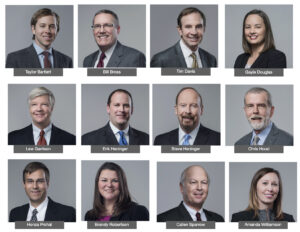
12 Heninger Garrison Davis, LLC Lawyers named to 2021 Best Lawyers® List

August 21, 2020 — Heninger Garrison Davis, LLC  is pleased to announce that 12 lawyers have been included in the 2021 Edition of The Best Lawyers in America. Since it was first published in 1983, Best Lawyers has become universally regarded as the definitive guide to legal excellence.

Best Lawyers has published their list for over three decades, earning the respect of the profession, the media, and the public as the most reliable, unbiased source of legal referrals. Its first international list was published in 2006 and since then has grown to provide lists in over 75 countries.

“Best Lawyers was founded in 1981 with the purpose of highlighting the extraordinary accomplishments of those in the legal profession. After three decades, we are proud to continue to serve as the most reliable, unbiased source of legal referrals worldwide,” says CEO Phillip Greer.

Lawyers on The Best Lawyers in America list are divided by geographic region and practice areas. They are reviewed by their peers on the basis of professional expertise and undergo an authentication process to make sure they are in current practice and in good standing.

Heninger Garrison Davis, LLC would like to congratulate the following lawyers named to 2021 The Best Lawyers in America list:

  • Taylor Bartlett – Mass Tort Litigation / Class Actions – Plaintiffs
  • William L. Bross – Mass Tort Litigation / Class Actions – Plaintiffs
  • Timothy C. Davis – Commercial Litigation and Litigation – Intellectual Property
  • Gayle Douglas – Commercial Litigation
  • W. Lewis Garrison – Commercial Litigation, Mass Tort Litigation / Class Actions – Plaintiffs, and Product Liability Litigation – Plaintiffs
  • Stephen D. Heninger – Commercial Litigation, Medical Malpractice Law – Plaintiffs, Personal Injury Litigation – Plaintiffs, and Product Liability Litigation – Plaintiffs
  • Erik S. Heninger – Commercial Litigation, Litigation – Insurance, Medical Malpractice Law – Plaintiffs, Personal Injury Litigation – Plaintiffs, and Product Liability Litigation – Plaintiffs
  • Christopher B. Hood – Mass Tort Litigation / Class Actions – Plaintiffs
  • Honza Jan Ferdinand Prchal – Mass Tort Litigation / Class Actions – Plaintiffs
  • Brandy L. Robertson – Mass Tort Litigation / Class Actions – Plaintiffs
  • J. Callen Sparrow – Legal Malpractice Law – Plaintiffs and Personal Injury Litigation – Plaintiffs
  • Amanda S. Williamson – Mass Tort Litigation / Class Actions – Plaintiffs

Additionally, HGD is pleased to announce that 1 lawyer has been included in the 2021 Edition of Best Lawyers: Ones to Watch.

Best Lawyers: Ones to Watch recognizes associates and other lawyers who are earlier in their careers for their outstanding professional excellence in private practice in the United States.

“Best Lawyers was founded in 1981 with the purpose of recognizing extraordinary lawyers in private practice through an exhaustive peer-review process. Nearly 40 years later, we are proud to expand our scope, while maintaining the same methodology, to recognize a different demographic of talented and deserving lawyers in Best Lawyers: Ones to Watch,” says Phil Greer, CEO of Best Lawyers.

Lawyers recognized in Best Lawyers: Ones to Watch are divided by geographic region and practice areas. They are reviewed by their peers on the basis of professional expertise, and undergo an authentication process to make sure they are in current practice and in good standing.

Heninger Garrison Davis, LLC would like to congratulate the following lawyer recognized in the 2021 Edition of Best Lawyers: Ones to Watch:

  • Jeanie Sleadd – Mass Tort Litigation / Class Actions – Plaintiffs