Tuesday, July 7, 2020

Zantac Cancer Lawsuits: July 2020 Update

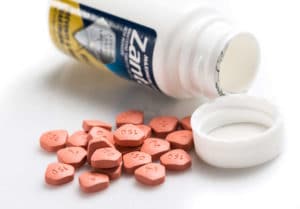
Zantac is one of the most popular medications available. Unfortunately, there is a significant link between Zantac and developing cancer. Doctors have been prescribing Zantac, an antacid drug, since the 1980s. Millions of people have used the drug Zantac as well as its generic equivalents every day for years to prevent acid reflux. Recent lab testing of ranitidine, the active ingredient in Zantac, has shown that these medications contain high levels of a chemical known as NDMA. NDMA has been known to cause cancer.


The U.S. Food and Drug Administration issued a safety warning in September 2019 warning about the cancer risks associated with taking Zantac. There has now been a Zantac recall. Products with the chemical ranitidine have been recalled abruptly from stores around the country. People who have taken Zantac could have been unknowingly ingesting high levels of NDMA.


How Dangerous is NDMA?


Currently, over-the-counter Zantac products are no longer on the market while experts investigate how dangerous the NDMA chemical can be to humans. NDMA is an incredibly toxic carcinogen. The primary use of this chemical is to induce tumors experimentally in animals. According to the Food and Drug Administration, the daily limit for NDMA for most people is 96 nanograms. The company Valisure has detected an excess of 3,000,000 nanograms of NDMA per tablet when analyzing products with ranitidine.


Legal Experts Predict a Massive Wave of Zantac Class Actions Related to Zantac


Most legal experts predict that plaintiffs will begin filing a massive wave of Zantac-related lawsuits. As of March 2020, over 200 cancer Zantac lawsuits have been filed in federal court. These lawsuits are likely the tip of the iceberg of mass-torts related to Zantac. Millions of Americans have used Zantac for years to prevent heartburn.


Individual lawsuits regarding Zantac are now consolidated under Judge Robin L. Rosenberg in Florida for consolidated pretrial proceedings. This judge will set the rules for the class action lawsuit as attorneys from around the country try to determine how much drug companies knew about the alleged cancer-causing chemical NDMA that they included in their product.


Understanding Multidistrict Litigation in Mass Tort Cases


Multidistrict litigation is a special legal procedure that allows judges to bundle their complex and sprawling lawsuits. One judge will handle all of the pretrial matters. The currency multidistrict litigation involving Zantac in Florida is the single largest multidistrict litigation in the history of the United States. One plaintiff’s lawyer has stated that he expects at least 100,000 plaintiffs to join the class-action lawsuit.


Holding Drug Manufacturers Accountable


It seems as though the manufacturers of the drug Zantac have been more interested in making a profit than with the health of people taking the drug. Plaintiffs allege that drug manufacturers knew about the dangers associated with Zantac as early as the 1980s but failed to disclose the dangers of these products to doctors, the health community, or the public at large.


Currently, over 230 plaintiffs have joined the mass tort litigation of MDL 2924 In Re: Zantac (Ranitidine) Products Liability Litigation. The judge presiding over this case has created a Plaintiff’s Steering Committee. This committee is made up of 10 men and 10 women. The judge has also created a Leadership Development Committee, which allows a greater number of lawyers into the mass tort litigation. It remains to be seen how many other plaintiffs will join in the mass tort litigation, but the number could exceed 100,000.


What to do if You Have Been Taking Zantac


If you have been exposed to Zantac, you are likely understandably concerned about your health. You may wonder what you should do. If you or a loved one have been prescribed with Zantac, or have purchased the drug, and you have suffered adverse side effects, you could be entitled to compensation. If you have been diagnosed with cancer, or you have suffered other serious medical complications, you may be entitled to compensation.


Contact Our Experienced Personal Injury Lawyers as Soon as Possible


The best thing you can do is to speak with an experienced personal injury lawyer who will represent your best interests. At Heninger Garrison Davis, we have decades of legal experience advocating for victims of dangerous and defective drugs. The sooner you speak with an experienced lawyer, the better. We can help you navigate the process of joining in mass tort litigation. Contact our Alabama personal injury lawyers today to learn how we can help you seek compensation.

Thursday, May 21, 2020

Class-Action Lawsuit Claims Bank of America, Wells Fargo, Other Banks Refused to Pay Agents for Preparing PPP Applications

ATLANTA, GA: (May 11, 2020) – Attorneys from Heninger Garrison Davis, LLC’s class-action group filed a class action complaint against a number of banks for failure to pay agents who assisted with the preparation and filing of Paycheck Protection Program (PPP) applications on behalf of Alliant CPA Group, LLC, individually and on behalf of a class of similarly situated businesses and individuals.

The defendants listed in the 36-page complaint include the following: Bank Of America, Corp., Bank Of America, N.A., Ameris Bank, Bank Ozk, Cadence Bancorporation, Cadence Bank, N.A., Centerstate Bank Corporation, Centerstate Bank, N.A., Newton Federal Bank, Synovus Bank, Truist Financial Corp., Truist Bank, United Community Bank, Inc., United Community Bank (Georgia), Wells Fargo And Company, And Wells Fargo Bank, N.A. (Defendants).

The class-action lawsuit alleges the defendants have overstepped Small Business Administration (SBA) mandates by refusing to pay or not paying full statutory fees to accountants, consultants, loan brokers, or other representations who helped clients file PPP loan applications.

According to the complaint, on March 25, 2020, in response to the economic damage caused by the COVID-19 crisis, the United States Senate passed the Coronavirus Aid, Relief, and Economic Security Act, the CARES Act as a means for small businesses to receive federally backed, forgivable loans to assist with battling economic hardship caused by the COVID-19 crisis. Though backed by the SBA, the PPP was to be administered through private lenders such as the defendants, who, in return for administering a PPP loan, would receive between one- and five-percent fees depending on the size of the loan, the case explains.

The SBA Regulations include not only compensation for Lenders, but also agents including an attorney, accountant, consultant, employee of the borrower who prepares their employer’s application, anyone who assists a lender in relation to an SBA loan, loan broker, or any other individual who represents an applicant in its business with the SBA. These agents, including plaintiffs, were to be paid for their services by the PPP lender through a portion of the funds it received from the SBA.

According to the lawsuit, despite SBA regulations, the defendants have either refused to pay PPP agents as a matter of policy or have agreed to pay only a percentage of the fees owed. Additionally, the defendants effectively denied payment of PPP Agent Fees by making it impossible to indicate that Agent Fees were due, refusing to accept relevant SBA Forms, and/or refusing to allow the applicant to indicate that a PPP Agent assisted the applicant.

Attorneys for the Plaintiffs in this lawsuit are asking for relief for the Plaintiffs including equitable recoverable compensatory, statutory, and other damages.

Heninger Garrison Davis Partner, James McDonough, sums it up like this, “Unfortunately, this is another case where the banks saw an opportunity to take from the very businesses that were intended to benefit from the PPP program—like the small CPA and accounting businesses that are our clients in these lawsuits—in order to fatten their wallets. We look forward to the Courts making the banks pay our clients for their work in getting funding into the hands of those who needed it the most.


Heninger Garrison Davis, LLC, is a national law firm and our attorneys defend valuable rights for our clients. To determine if you should file suit, consult one of our qualified lawyers as soon as possible to understand your options.  We do not charge any fees upfront. In fact, we will only charge attorney’s fees if we obtain a financial settlement for you. If you do not win, we get nothing.  Call us today for your free case evaluation at 1.800.241.9779.

No representation is made that the quality of the legal services to be performed is greater than the quality of legal services performed by other lawyers.

Thursday, May 14, 2020

18 HGD Attorneys Named to B-Metro Top Attorneys in Birmingham 2020

Birmingham, AL. — B-Metro, the Birmingham area’s premier lifestyle magazine, announces its 2020 TopFlight Attorneys lists. This marks the eleventh year for the magazine to publish this listing, having worked in previous years with Martindale-Hubbell,  Avvo, and other sources to build a credible database.

This list is comprised of outstanding attorneys who have attained a high degree of peer recognition and professional achievement. The selections were made after local peer nominations through an online survey. Education, reputation, commitment to professionalism, and community impact were considered in the selection process.

The 2020 TopFlight Attorneys list was published in full in the April issue of B-Metro.

B-Metro’s Editor, Joe O’Donnell, congratulates the honorees, noting the remarkable influence that Birmingham attorneys have had in the region’s commerce and charitable endeavors.

Friday, May 1, 2020

FAQ for Alabama Employers During the Coronavirus Pandemic

At Heninger Garrison Davis, we have received questions and calls from Alabama employees and employers about the coronavirus pandemic. Many Alabama employers are fighting hard to figure out how they can survive without having to lay off employees. Employees are concerned about their job security and health. At Heninger Garrison Davis, our law firm is here to answer your questions and offer experienced legal advice as we all go through these uncertain times.

Can an Employer Fire an Employee Who Does Not Go to Work Due to COVID-19?

Even if an employee is worried about contracting coronavirus (COVID-19), they must still report to work. The Alabama State Health Officer issued an Order on March 27, 2020. This order required all “non-essential” businesses to close down to non-employees. The order does not prohibit employees from needing to report to work, however.

Alabama is a state that recognizes “termination at will.” This means that Alabama employers can fire employees for any reason, or no reason. Employers cannot fire an employee for an unlawful reason, such as discrimination based on age, race, national origin, or sex.

Can Employers Require COVID-19 Testing of Employees?

Alabama employers do have a right to ask employees whether or not they are experiencing any symptoms of COVID-19. Employers also have a right to monitor the body temperature before they come into the building. Employers can send their employees home if their employees experience any of the Coronavirus symptoms, such as chills, fever, cough, shortness of breath, or sore throat. Employers do have a legal duty to keep their employee’s medical information and medical records confidential.

Must an Employer Tell Employees About Another Co-Worker’s Diagnosis?

Employees and employers alike are worried about a potential outbreak of COVID-19 at their workplace. Employees are concerned that their employers will not tell them if one of their co-workers has been diagnosed with the virus.

As of now, there is no federal or state law that specifically addresses this issue. For example, the federal Occupational Safety and Health Administration (OSHA) does require employers to report certain workplace illnesses. OSHA could extend this regulation to apply to cases of COVID-19, but there is no formal application of this law at this time. Employers should notify Alabama’s State Health Office as soon as possible.

Receiving Workers’ Compensation Benefits After Contracting the COVID-19 Virus

Can employees receive workers’ compensation benefits if they contract COVID-19? As of right now, there are no unique laws related to workers’ compensation benefits and COVID-19. An employee must still prove that he or she received an injury at work to receive workers’ compensation benefits. Proving that you received COVID-19 at work can be difficult because the virus spreads so easily between people and has an incubation period.

Can Alabama Employers Fire Employees Who Get the Coronavirus?

When an employee gets sick with the coronavirus, the employer must provide two weeks of paid sick leave. The newly enacted Family First Act requires employers to provide the two weeks of paid sick leave at the employee’s full payment amount. Under the Family Medical Leave Act, qualifying employees can take up to 12 weeks of unpaid leave. Alabama is a termination at-will state, meaning employers can fire an employee for any reason at all.

Do Employees Qualify for Unemployment Benefits if They Contract Coronavirus?

What happens if an employer terminates an employment relationship when an employee contracts coronavirus? Alabama has extended unemployment benefits to all employees who:

  • Contract the coronavirus,
  • Have been exposed to the coronavirus, or
  • Have been laid off by their employer because of the coronavirus

Employees will be able to receive unemployment benefits from Alabama plus $600 per week from the federal government. The state of Alabama provides between 14-20 weeks of unemployment benefits. However, federal law might extend the period of benefits for unemployment.

Contact Our Experienced Law Firm as Soon as Possible

At Heninger Garrison Davis, our legal team understands that we are going through an unprecedented time. If you have more questions about how COVID-19 will affect employment policies, we can help. After reviewing your unique situation, we can help walk you through your legal options. Contact our Atlanta law firm today to schedule your initial consultation with one of our experienced lawyers.

Understanding Coronavirus Relief for Alabama Business Owners

Many Alabama businesses are facing extremely difficult choices caused by the coronavirus pandemic. With no money coming in, employers must decide whether they need to lay off their employees or, in some cases, close their businesses entirely. Congress recently passed a stimulus law that will allow certain business owners to seek loans and funding. However, understanding coronavirus relief is complicated.

Alabama Launched a Website to Help At-Risk Business Owners

Alabama recently launched the altogetheralabama.org. This website helps businesses learn about and access resources to help survive the coronavirus pandemic. The website has a list of all of the different types of federal, state, and local levels of help for business owners.

Our Legal Team Can Help You Survive the Coronavirus Shut Down

Below are some of the different types of financial assistance you might qualify for as a business owner in Alabama. If you are a small business owner who is not sure whether or not you qualify for assistance, or you need legal advice on a matter related to the shut down orders, the law firm of Heninger Garrison Davis can help. Contact our Atlanta law firm to schedule your initial consultation today.

SBA Paycheck Protection Program Loans

These loans are the lesser of $10 million or 2.5 times the amount of your average monthly payroll, whichever amount is less. The federal government has created a loan program for qualifying small businesses. These paycheck protection program loans offer partially forgivable 1% low-interest loans. These loans mature in two years. Nonprofits and small businesses qualify for these loans. SBA makes these loans forgivable through an existing network of 7(a) lenders.

Are These Loans Forgivable?

The Paycheck Protection Program is essentially a loan that acts like a cash grant. As long as you are able to keep your employees on payroll for eight weeks, you will not have to pay back the loan. The purpose of this loan program is to give business owners an incentive to keep their employees on their payroll.

Some of the Paycheck Protection Program Loans are forgivable. However, they only become forgivable when the business keeps its existing payroll in place for at least an eight-week period. If you, as a business owner, do not keep their existing payroll in place for at least eight weeks, you will need to pay back your payroll loan. You will also need to pay back a small portion of the sum you used for your mortgage, rent payments, utility service agreements, and leases, during that eight-week period.

SBA Express Bridge Loan Pilot Program

The Express Bridge Loan Pilot Program helps businesses stay financially afloat while they wait for assistance from the Economic Injury Disaster Loan to come into place. Small businesses and nonprofits qualify for this loan in an amount up to $25,000. Small businesses who currently have a business relationship with an SBA Express Lender can access up to $25,000 while they wait. Financial institutions can use these loans as term loans or as a gap while businesses apply for a direct loan.

Economic Injury Disaster Loan Program

The Economic Injury Disaster Loan Program offers loans up to $2 million that are direct from SBA at 3.75% as well as a possible $10,000 cash advance. Nonprofits can receive the loan at a 2.75% interest rate. Alabama businesses can take advantage of this program now so that they can keep paying their vendors and employees while they remain shut down.

Requesting a Grant Through a Private Company

Multiple private companies have begun offering grants to businesses negatively affected by a coronavirus. For example, Facebook is offering small business grants. They have committed $100 million in international funding that will soon be available for small business grants.

There are many different crowdsourcing loans available, as well. In a crowdfunding loan, small businesses can list themselves in an online funding site. They can ask their customers and other investors to pool capital in order to make a loan. Most of these programs allow you to not make payments for the first year and then pay a percentage of your future revenue back to those who initially made the loan.

Our Law Firm is Here to Help

Small businesses in Alabama are facing an extremely difficult economic climate. If you are a small business that needs help surviving the next few weeks and months, our Atlanta law firm can help. We can review your situation and help you apply for the financial assistance that you need. Contact us today to schedule your initial consultation.

Thursday, April 30, 2020

Two HGD Lawyers Recognized as 2020 Top Attorneys by Birmingham Magazine

BIRMINGHAM, AL.  April 27, 2020

Erik Heninger and Taylor Bartlett

Heninger Garrison Davis (HGD) is proud to announce that two of the firm’s lawyers were recognized as 2020 Top Attorneys by Birmingham Magazine.

Birmingham Magazine conducted its eleventh annual peer-reviewed survey, asking more than 4,000 local attorneys and registered members of the Birmingham Bar Association for their nominations. Attorneys were recognized for their experience and knowledge within 39 practice areas.

The HGD attorneys selected as Top Attorneys of Birmingham include:

These leading lawyers are chosen for their high degree of peer recognition and professional achievement, and we are proud to have them as a part of our team.

On behalf of our thousands of clients nationwide, each of us at HGD congratulates these talented attorneys for their outstanding achievement and well-deserved recognition.

The complete list of Top Attorneys appears in the April 2020 issue of Birmingham Magazine.

Wednesday, April 29, 2020

HGD’s Chris Hood selected BBJ’s “Best of the Bar”

The Birmingham Business Journal (BBJ) has unveiled the winners for its Best of the Bar Awards, which honor excellence in Birmingham’s legal industry. HGD congratulates partner Chris Hood on his recognition as one of the “Best of the Bar” in Birmingham for 2020.

The Magic City is home to a number of attorneys who are pre-eminent experts in their fields, from health care and economic development to venture capital and banking – not to mention a number of corporate counsels who play a critical role in Birmingham’s most successful companies.

BBJ’s Best of the Bar awards are meant to honor the best and brightest in Birmingham’s legal field across a range of practice industries. Honorees were chosen based on nominations received at BBJ.com. Honorees were selected based on their tangible accomplishments, their contributions to the industry, and their status in their practice area.

Chris Hood graduated from the University of North Carolina at Chapel Hill with distinction and honors and obtained his law degree from Georgetown University.  He focuses his practice on consumer and environmental class actions, fraud and business torts, and personal injury or death caused by dangerous prescription medicines and medical devices.  He also handles appeals in many of our firm’s major cases.

Congratulations on this most deserved recognition, Chris!